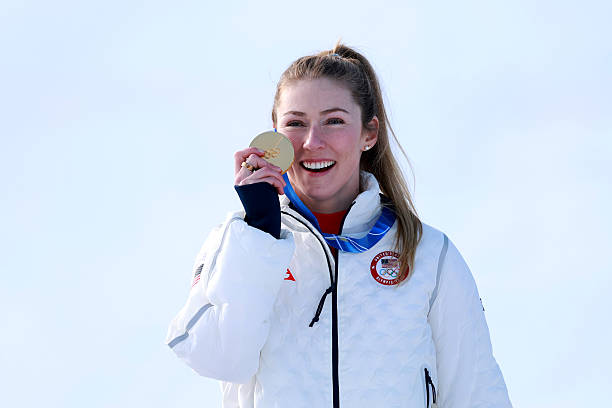
Among the many moments from the 2026 Milan-Cortina Winter Olympics that resonated beyond the ice and snow of the Italian Alps, few captured the collective attention of the sports world more powerfully than Mikaela Shiffrin’s gracious and genuinely moving message to figure skating star Ilia Malinin following his Olympic loss. In a sports media landscape that often rewards aggression and competition over connection, Shiffrin’s act of sportsmanship was a reminder of what elite athletes can mean to each other and to the broader public when they choose vulnerability over bravado.
Shiffrin, whose own relationship with the Olympics has been defined by moments of both transcendent triumph and heartbreaking adversity — she has spoken openly about her struggles with pressure and the weight of expectation at major Games — clearly recognized something of herself in Malinin’s experience. The young figure skating sensation, who had carried enormous expectations into the 2026 Games following his groundbreaking technical achievements on the competitive circuit, faced the kind of crushing disappointment that only athletes who have performed at the highest level truly understand.
The message Shiffrin shared — broadcast widely through social media and reported across sports platforms including The Tribune California and other outlets carrying NewsNow’s aggregated feed — was notable for its authenticity. Rather than offering platitudes about “giving it your all” or generic encouragement, Shiffrin’s words reflected a genuine understanding of what it means to come up short when the world is watching. She spoke from personal experience and from the heart, and the response from Malinin and from the broader sporting community reflected how deeply those words landed.
The episode sits within a broader narrative about the Milan-Cortina Olympics as a whole — a Games that has generated extraordinary sporting drama across multiple disciplines while also providing a platform for athletes to connect with one another and with audiences in human terms that transcend the scores and standings. The Winter Olympics’ relative intimacy compared to the Summer Games, combined with the spectacular natural backdrop of the Italian Alps, has created an atmosphere that seems particularly conducive to these kinds of moments.
Shiffrin’s own skiing performances at the Games have added their own drama to her story. The American has been navigating a career phase in which her technical mastery and competitive intelligence must occasionally overcome physical realities and the psychological weight of being one of the greatest alpine skiers in history. Every race carries the burden of legacy, and she has handled it with a combination of competitive ferocity and personal openness that has made her one of the most widely admired athletes of her generation.
For Malinin, the Olympic experience — and Shiffrin’s public gesture of solidarity — will remain part of the complex tapestry of a sporting life that is still very much in its opening chapters. He has the ability, the technical innovation, and the competitive spirit to return to future Games as a significantly more experienced competitor. Shiffrin’s message, in essence, was telling him what those who have navigated similar valleys already know: that the lowest moments often produce the greatest future chapters.